Learning About Pollinators With the Norfolk Navigators
We're officially regulars when it comes to attending these awesome sessions that help us keep our communities beautiful. We learned cool facts about pollinators in this session!
The HomeschoolED Heroes Team
5/11/20264 min read
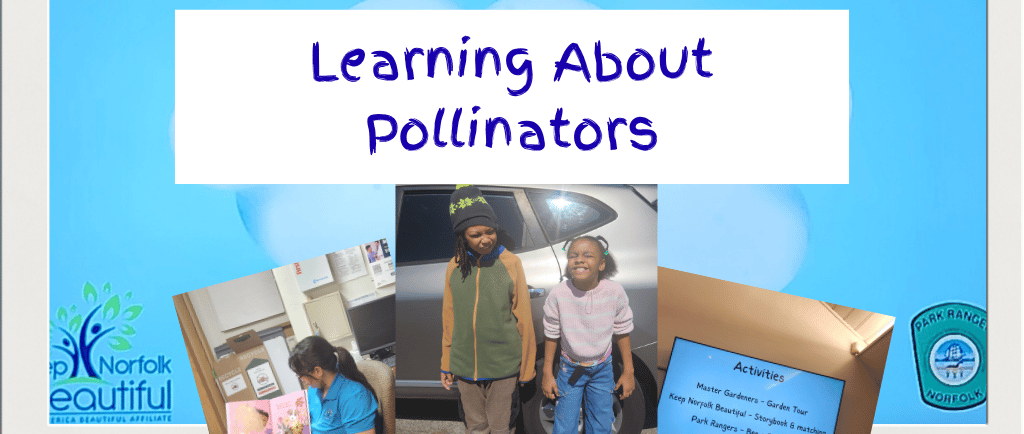
Four words to describe the April 2026 Norfolk Navigators session? Fun. Exciting. Riveting. Enlightening.
On Wednesday, April 29, 2026, HomeschoolED Heroes had the opportunity to participate in another incredible session hosted by Keep Norfolk Beautiful through their Norfolk Navigators program—and this one truly buzzed with energy. The theme for the day? Pollinators. And let’s just say… the kids didn’t just learn—they experienced.
Warming Up To Pollination With A Few Short Videos
The session kicked off with a short, engaging video that introduced the concept of pollination in a way that was both simple and fascinating. The focus was primarily on bees, but the kids also learned about the different parts of a flower and how each part plays a role in the pollination process. One of the standout facts that had everyone wide-eyed? Bees can carry up to 10,000 pieces of pollen on their bodies after landing on a single flower. Yes—10,000! Talk about tiny powerhouses.
Another major takeaway was understanding why pollination matters. It’s not just about flowers looking pretty—it’s about survival. The kids learned that pollen must reach the ovule in order to create new seeds, making pollination a critical step in sustaining plant life. And when plants thrive, ecosystems stay balanced—which ultimately supports human life, too. Big concepts, broken down in a way that truly stuck.
From there, the group watched another video that explored the “why” behind pollinators’ behavior. Why do they move from plant to plant? The answers were simple but meaningful: they’re searching for food and shelter—just like us. The video also expanded the kids’ understanding of what a pollinator actually is. While bees are often the stars of the show, we learned there are over 20,000 species of bees alone (cue the collective “WHOA!” from the room), along with butterflies, beetles, and even some unexpected pollinators like jellyfish and turtles. Yes, underwater pollinators are a thing—and the kids thought that was the coolest twist of all. Even more fascinating? Beetles have been pollinating plants since prehistoric times. Talk about legacy.
After the videos, it was time to get hands-on.
Part One: Creating A Flower and the Garden Tour With the Norfolk Master Gardeners
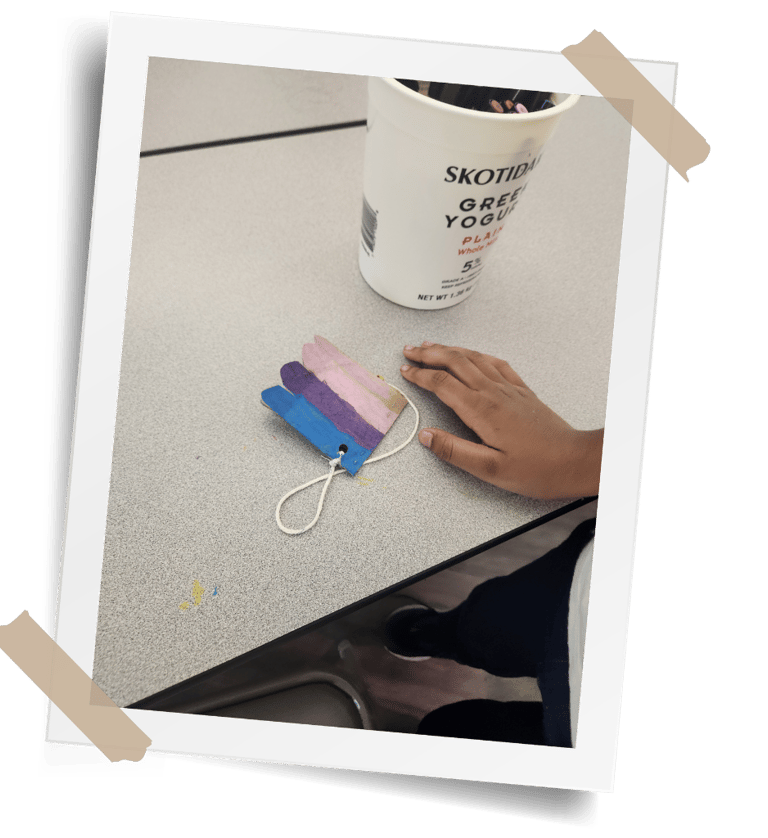
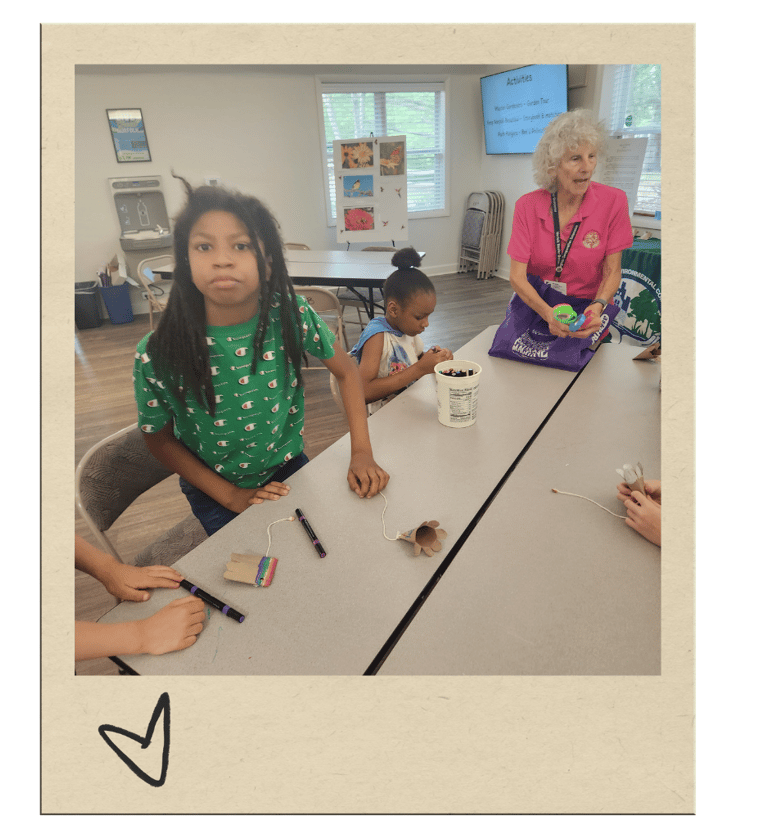
The kids were split into three groups, and our group kicked things off with a calming but creative activity: coloring flowers. It was the perfect transition into the next phase—heading outside with magnifying glasses to search for real pollen and pollinators. There’s something powerful about taking what you just learned and immediately seeing it in action. The kids were fully engaged, scanning petals, observing insects, and connecting the dots in real time.
Part Two: Storybook & Matching With Keep Norfolk Beautiful
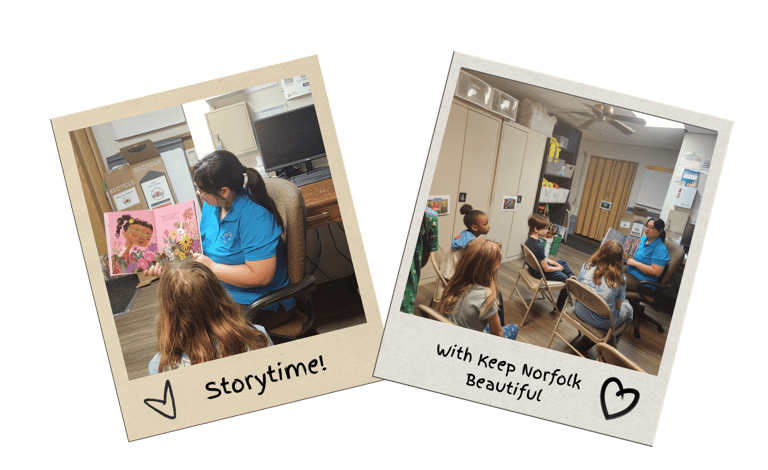
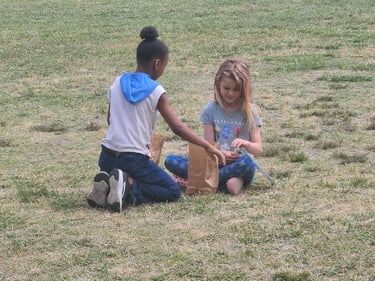
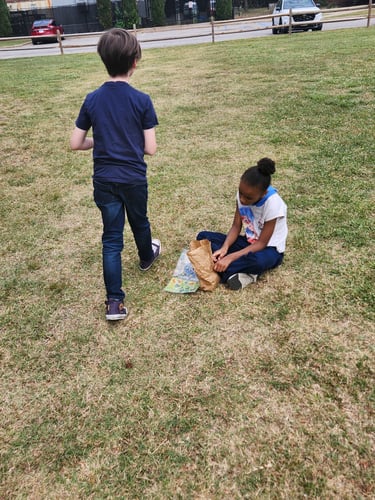
Next came story time with a twist. Our group leader read My Pollinator Garden, a beautifully simple book that introduced the kids to different types of flowers and the specific pollinators they attract. But this wasn’t just a sit-and-listen moment—it turned into an interactive challenge. Each child was given a picture of a bug and had to match it to the correct flower it pollinates. And here’s the best part: every single one of the five kids in our group got their match correct. A proud moment, and a clear sign that they were not only listening—but understanding.
Part Three: Bee A Pollinator With the Norfolk Park Rangers
Then came one of the most memorable activities of the day: “Bee A Pollinator.”
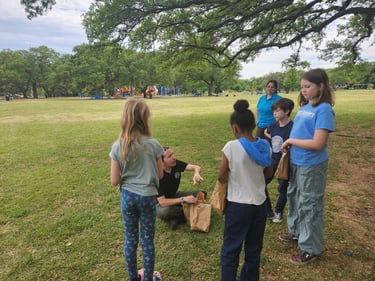
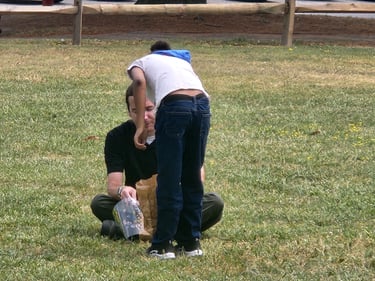
Back outside, the kids gently touched different flowers to see if pollen would transfer onto their fingers. It was simple, sensory, and surprisingly exciting. They discovered flowers like blue-eyed grass, clovers, and buttercups, and for many of them, this was their first time truly noticing how interactive nature can be. Learning became something they could feel—not just hear.
The final activity brought everything together in the most fun way possible. The kids were divided into two groups: flowers and pollinators. Those acting as pollinators moved around, “visiting” the flowers and exchanging stickers and beads to represent the transfer of pollen. It was playful, a little chaotic (in the best way), and incredibly effective. By the end of it, the concept of pollination wasn’t just something they learned—it was something they did.
What Made This Session So Special
It wasn’t just about facts or videos or even activities—it was about immersion. It was about giving kids the chance to move, explore, question, and connect. It was about turning science into something tangible and memorable.
The kids had an absolute ball, and honestly… so did we.
We’re incredibly grateful to Keep Norfolk Beautiful for creating such a thoughtful, engaging, and well-rounded experience. Programs like Norfolk Navigators remind us that learning doesn’t have to be confined to a desk or a worksheet. Sometimes, the best lessons happen outside—with a magnifying glass in hand, a little pollen on your fingers, and a whole lot of curiosity leading the way.
To learn more about Nature Navigators— including their programs, mission, upcoming sessions, and even how to start a chapter in your own area — visit their website here: