Experiencing the Adaptive Swim Program At ODU Aquatics
Free swim lessons. Fun and friendly swim coaches. What else could a parent ask for? The kids had a GREAT time! Be sure to sign up your child for the next session!
The HomeschoolED Heroes Team
5/11/20264 min read
There are some programs you walk away from thinking, “That was nice.”
And then there are programs you leave thinking, “Wow… more families need to know this exists.”
That was exactly how we felt after attending the Adaptive Swim program hosted through Old Dominion University.
As homeschool parents—especially parents of children with different needs—we’re constantly searching for safe, supportive, inclusive opportunities where our children can learn, grow, and simply feel comfortable being themselves. So when we discovered this program, we immediately knew it was something special.
What Is the Adaptive Swim Program?
Adaptive Swim is an outreach program specifically designed to provide water safety education and basic swimming instruction to children with physical, developmental, and neurological disabilities. Hosted through Old Dominion University and supported by medical students and ODU student volunteers, the program aims to remove one of the biggest barriers many families face when searching for specialized swim instruction: the cost.
An amazing asset of this program is how the classes are offered completely free of charge.
And honestly? That matters more than people realize.
Specialized activities and therapies for children with disabilities can become expensive extremely quickly. Programs like this help bridge a gap that many families quietly struggle with every single day.
But what made Adaptive Swim truly stand out wasn’t just the affordability—it was the heart behind it.
About the Adaptive Swim Session
The program focuses not only on teaching swimming and water safety skills, but also on encouraging physical health, emotional development, confidence-building, social interaction, and inclusive participation in aquatic activities. It also directly addresses something incredibly important: the higher risk of drowning among children with disabilities, particularly children on the autism spectrum.
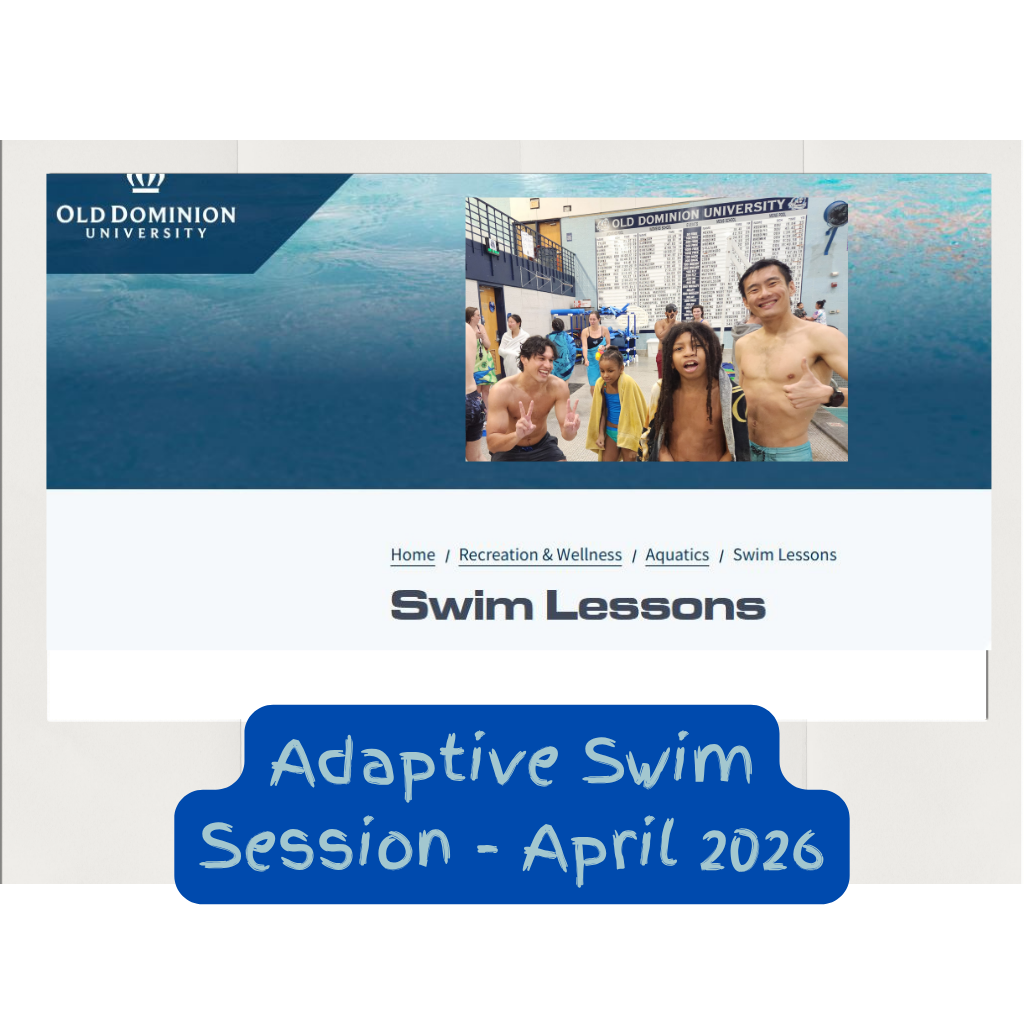
Our children were enrolled in Youth Levels 1 and 2 swim lessons at 6 p.m. on Friday, April 10th, held at the Student Recreation Center on the ODU campus in Norfolk.
One-on-One Guidance For the Kids
At first, the kids were nervous about the water temperature and worried they’d be cold.
But the second they got into the pool?
That concern disappeared instantly.
The excitement took over.
This particular program was an especially wonderful fit for our family because it was designed specifically for children with physical, developmental, and neurological disabilities. For us, that meant an environment where both of our children could participate without feeling pressured or misunderstood.
It was incredibly beneficial for Avia, who struggles with anxiety, and for Gemari, who has autism and ADHD.
And one thing we absolutely have to highlight is how patient, gentle, and attentive every single instructor and volunteer was with the children.
You could feel the sincere intentions of everyone involved with the program.
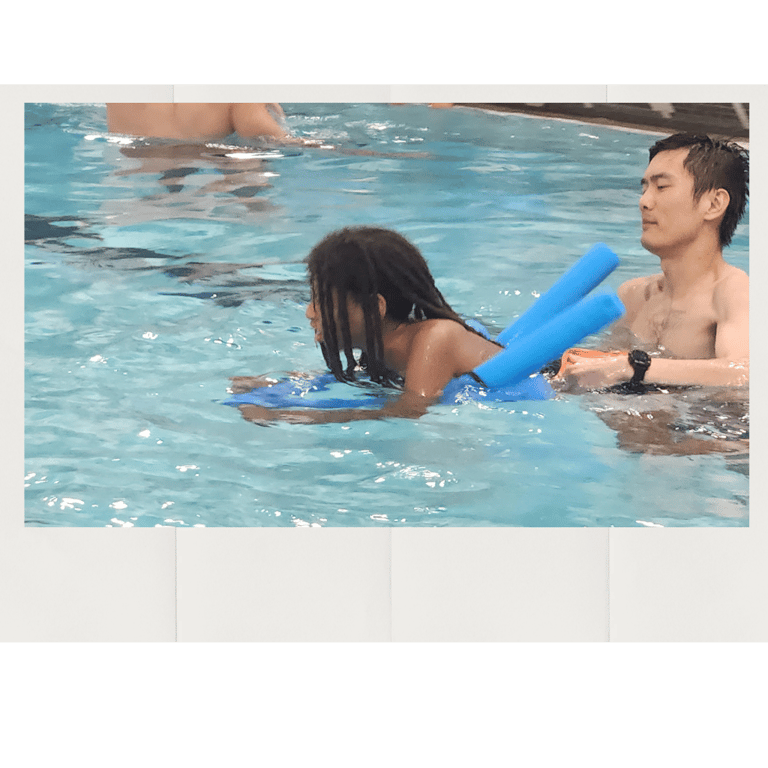
Each child was paired with an ODU student volunteer who helped guide them through the activities one-on-one. The children were given tools like pool floaties and introduced to basic swim techniques through games, playful prompts, and encouraging language that made everything feel less intimidating and more fun.
Instead of rigid instruction styles that might overwhelm children, the volunteers used imagination and creativity to keep the kids engaged.
“Arms out like you’re Superman!”
Simple prompts like that transformed learning into play.
And honestly? It worked beautifully.
What Adaptive Swim Taught To the Kids
The kids practiced kicking, floating, and basic swim strokes while laughing the entire time. Every child seemed genuinely comfortable with their assigned instructor, which says a lot considering many special needs children can take time warming up to unfamiliar environments or people.
It makes complete sense when you read more about the program’s mission. The ODU students volunteering aren’t just there to supervise activities—they’re also learning about developmental differences within pediatric populations and how to work compassionately with children who may have different needs.
That extra level of understanding showed in every interaction we witnessed.
By the end of the lesson, the kids did not want to leave.
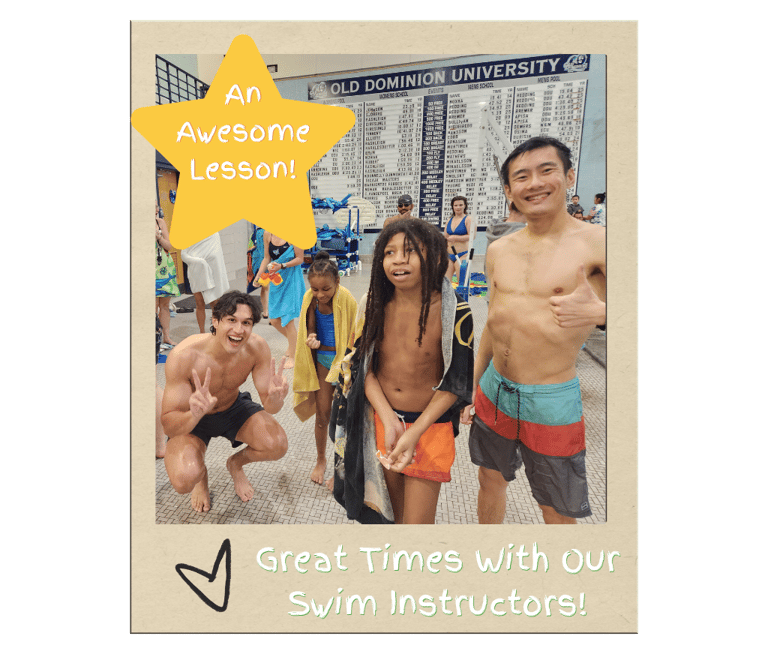
In fact, one of the funniest parts of the night was hearing them complain that the session “ended too fast.” They absolutely adored their instructors and bonded with them almost immediately.
As parents, moments like that matter deeply.
When your children feel safe, included, encouraged, and successful in a new environment, it sticks with you emotionally. You remember it.
And thankfully, it sounds like this won’t be our last experience with the program.
ODU Adaptive Swim Returning In Fall 2026?
Recently, we received a “Returning Participant Interest” email letting families know that planning had already begun for the upcoming Fall Adaptive Swim Program semester. Naturally, we filled out that interest survey almost immediately.
This also gave us another reminder of how important mailing lists are—not just for businesses and organizations, but for families too. If your children enjoy a program, sign up for the newsletters and updates. Opportunities like these can fill up quickly, and email communication is often how families hear about returning sessions first.
Our hope is that this incredible program continues growing and reaches even more children who may not normally have access to swim lessons or adaptive recreational activities.
Because programs like this truly make a difference.
And trust us—it’s absolutely worth looking into.
For families interested in learning more, you can visit the ODU Swim Lessons page. Scroll all the way to the bottom of the page to find information about the Adaptive Swim program and future opportunities to participate.
To see the full experience, check out the cool video we made on our YouTube channel!